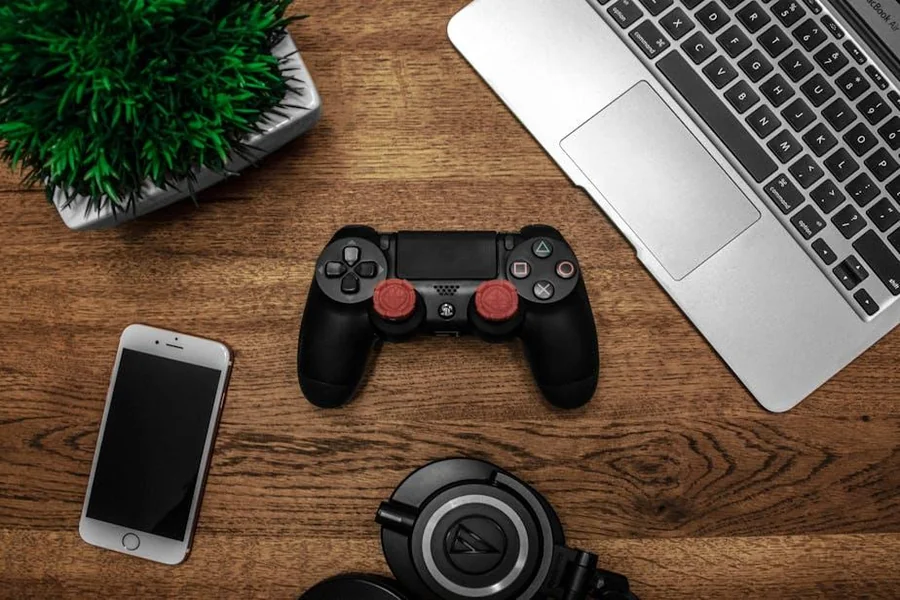
In the ever-evolving world of digital entertainment, a mobile gaming controller has emerged as a vital component in enhancing the user experience for handheld devices. As gamers increasingly demand precision and comfort, these controllers have transformed from mere accessories to indispensable tools in the gaming arsenal.
The Rise of Mobile Gaming
The rise of smartphones reshaped the gaming landscape by making it accessible to a global audience. The convenience of mobile gaming meant that users could engage with their favourite games without requiring dedicated gaming consoles or PCs. However, the limitations of touchscreen controls became apparent as games grew in complexity and demand for precise control increased. Enter the mobile gaming controller, a device aimed at bridging the gap between convenience and performance.
Design and Ergonomics
Mobile gaming controllers are designed with ergonomics in mind, focusing on user comfort during prolonged gaming sessions. These devices mimic the layout and feel of traditional console controllers while incorporating unique features suited to mobile devices. With responsive buttons, tactile feedback, and ergonomic grips, they offer a familiar yet distinctively enhanced experience compared to touchscreen controls. The adaptability of these controllers has been a game-changer, allowing users to enjoy high-performance gaming on the go.
Functionality and Integration
One of the key features of mobile gaming controllers is their seamless integration with a broad spectrum of games and devices. They often support universal connectivity options, such as Bluetooth and USB-C, ensuring compatibility with most smartphones. Advanced models feature software customisation options, enabling users to tailor the control settings according to their preferences. This functionality has expanded the scope of mobile gaming beyond casual play, enabling gamers to engage in competitive and cooperative experiences.
The Competitive Edge
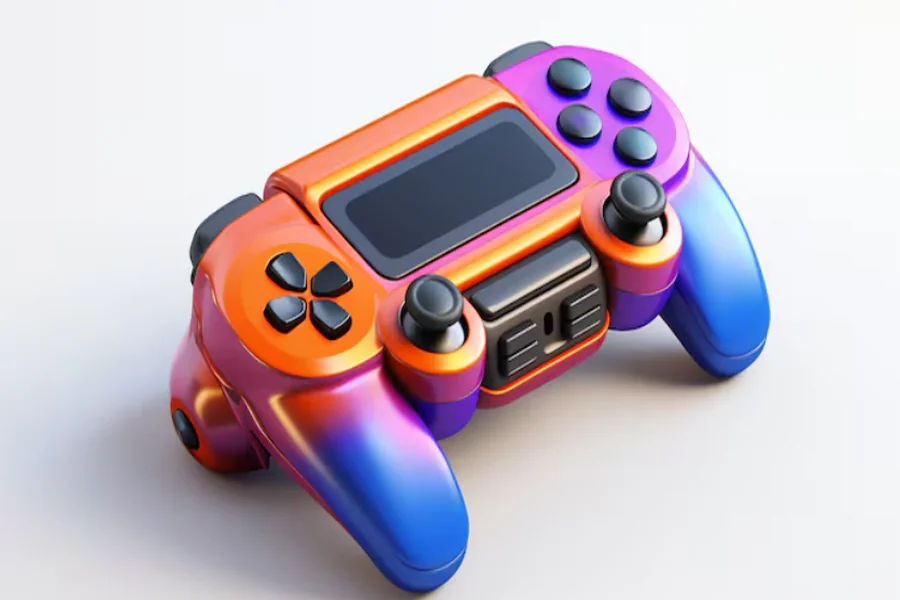
The precision offered by mobile gaming controllers cannot be overstated. As mobile esports gains traction, having a device that offers pinpoint accuracy and rapid response times becomes crucial. Competitive gamers often prefer external controllers over touchscreen interfaces for the competitive edge they provide. Enhanced control schemes with mapped physical buttons allow for more complex manoeuvres, appealing to professionals and serious gaming enthusiasts alike.
Market Trends and Innovations
The mobile gaming market continues to experience dynamic shifts, with manufacturers consistently pushing the envelope to deliver innovative features in their gaming controllers. Features such as adaptive triggers, haptic feedback, and gyroscopic sensors have found their way into mobile peripherals, enhancing immersion and interactivity. Furthermore, collaborations between mobile device manufacturers and peripheral developers are leading to optimised performance and functionality, setting new standards in the industry.
Challenges and Considerations
Despite their advantages, mobile gaming controllers face specific challenges. Compatibility issues can arise with different operating systems and device brands, although these are becoming less frequent with advancements in technology and cross-platform support. Additionally, price points can vary significantly, with high-end models offering advanced features at a premium, which may not be accessible to all users.
Future Prospects
Looking ahead, the future of mobile gaming controllers appears promising. As mobile technology continues to advance, so will the sophistication of these devices. Emerging technologies in augmented and virtual reality open up new possibilities for mobile gaming experiences, wherein controllers could play vital roles in navigating and interacting within virtual spaces. Designers and engineers are likely to prioritise sustainability and innovation, focusing on creating versatile and eco-friendly products that cater to the evolving demands of mobile gamers.
Conclusion
Mobile gaming controllers have firmly established themselves as integral components of the gaming experience on portable devices. As technology progresses, these controllers are poised to further enhance the intersection of convenience and performance, fostering a dynamic and immersive landscape for gaming enthusiasts worldwide. The development and refinement of these devices reflect the broader trends in the gaming industry, where user experience and technological innovation drive growth and engagement.