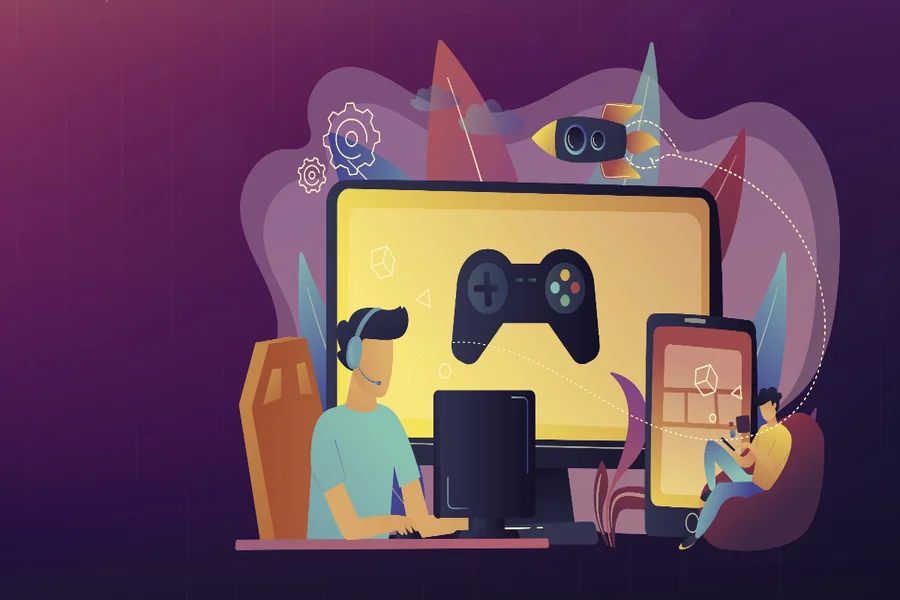
Online gaming has become one of the most influential parts of modern digital entertainment. What once started as a simple way to enjoy video games with friends has developed into a global industry connecting millions of players. Today, people can compete with others worldwide, participate in virtual communities, watch gaming tournaments, and explore interactive digital environments from their computers, consoles, and smartphones.
The growth of online สล็อตเว็บตรง gaming is changing how people spend their free time and interact with digital content. With improvements in internet connectivity, graphics, artificial intelligence, and cloud technology, gaming experiences are becoming more accessible and engaging. These developments are also creating new opportunities for entertainment companies, content creators, and game developers.
Online Gaming Is Making Entertainment More Interactive
Traditional entertainment usually involves watching or listening to content without directly influencing what happens. Online gaming offers something different by allowing users to participate in the experience. Players make decisions, complete challenges, communicate with others, and influence the outcome of their activities.
This interactive approach makes gaming more engaging for different audiences. Instead of simply watching a character experience an adventure, players become part of the story. Multiplayer games also encourage teamwork, competition, and communication, giving users more reasons to return.
Many modern games feature regular updates, seasonal events, and new challenges. These features keep experiences fresh and encourage players to remain connected with their favorite gaming communities.
Social Connections Are Becoming a Major Part of Gaming
Online gaming is no longer just an individual activity. It has become a social experience where people build friendships, communicate, and work together regardless of geographical distance.
Multiplayer games allow users to form teams, join communities, and participate in shared activities. Voice chat and messaging features make communication easier, helping players coordinate strategies and develop stronger connections.
Gaming platforms have also introduced social features that extend beyond gameplay. Players can share achievements, stream their sessions, participate in discussions, and follow gaming personalities. These activities have helped transform online gaming into a broader entertainment culture.
For younger audiences and dedicated gaming enthusiasts, these communities can become an important part of their everyday digital experiences.
Cloud Gaming Is Making Games More Accessible
One of the biggest developments shaping the future of digital entertainment is cloud gaming. Traditionally, playing demanding games required expensive computers or gaming consoles with powerful hardware. Cloud technology is gradually changing this requirement.
With cloud gaming services, games can run on remote servers while players access them through internet-connected devices. This means users may enjoy high-quality gaming experiences without purchasing advanced gaming equipment.
The technology also makes gaming more flexible. Players can potentially switch between computers, smartphones, tablets, and televisions while maintaining access to their favorite titles.
However, internet speed, connection stability, subscription costs, and server availability remain important considerations. As infrastructure improves, cloud gaming could make premium entertainment available to a much wider audience.
Esports and Live Streaming Are Expanding Gaming Culture
Competitive gaming has developed into a major entertainment category. Esports tournaments attract professional players, international audiences, sponsors, and streaming platforms. Popular competitive titles have created opportunities for skilled gamers to build careers through tournaments and professional teams.
Live streaming has also changed how audiences consume gaming content. Instead of playing games themselves, viewers can watch experienced players, learn strategies, enjoy commentary, and interact with streamers through live chats.
Platforms such as Twitch and YouTube Gaming have helped create an entertainment environment where gaming content can attract audiences beyond traditional players.
This development has opened new opportunities for content creators, event organizers, advertisers, and gaming companies. It has also made gaming a more visible part of mainstream digital entertainment.
Artificial Intelligence Is Creating Better Gaming Experiences
Artificial intelligence is expected to play an increasingly important role in the development of online games. Developers are already using AI-related technologies to improve non-player characters, personalize experiences, and create more responsive gaming environments.
Smarter characters can react more naturally to player decisions, making gameplay feel less predictable. AI can also help developers identify technical problems, improve matchmaking systems, and analyze player behavior to create better experiences.
Another important development is procedural content generation, which allows games to create environments, missions, and challenges dynamically. This can make virtual worlds feel more varied and interesting.
Although these technologies still have limitations, continued improvements could make future games more immersive and adaptable to individual preferences.
Final Thought
Online gaming is changing the future of digital entertainment by combining interactive experiences, social connections, competitive opportunities, and emerging technologies. It is no longer limited to playing games for entertainment; it has become a platform for communication, creativity, and professional development.
As cloud gaming, artificial intelligence, esports, and streaming continue to evolve, the industry will likely become even more connected and accessible. The future of entertainment will offer audiences more opportunities to participate rather than simply consume content. Online gaming is already leading this transformation, and its influence will continue to shape how people experience the digital world.