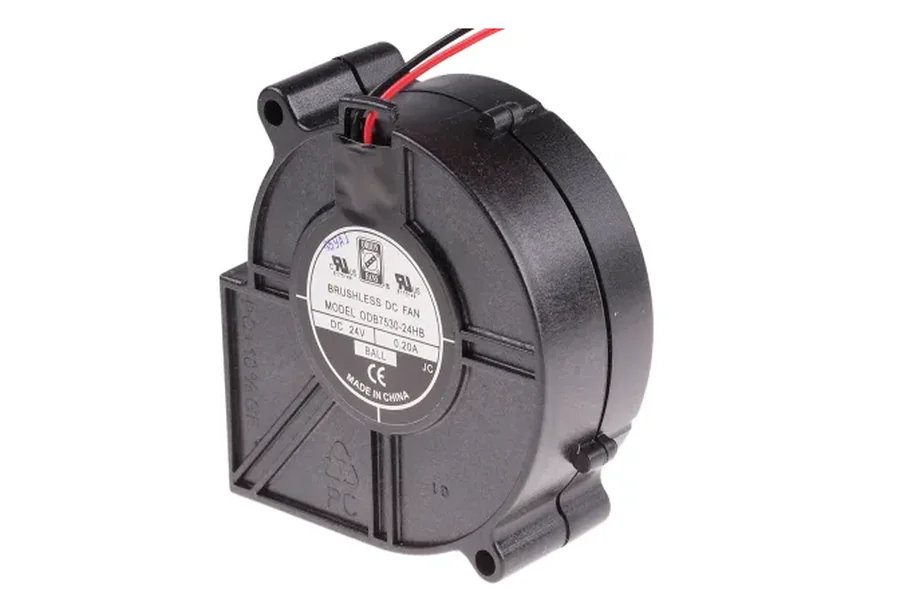
Centrifugal blowers are integral components in various industrial applications, exhibiting both versatility and efficiency. These devices are quintessential in settings requiring controlled air movement. Whether it’s for ventilation, cooling, or air purification, centrifugal blowers deliver performance without compromise. You can explore a variety of high-quality centrifugal blowers on RS Components MY | Buy Centrifugal Blowers, providing essential options for diverse operational needs.
Understanding Centrifugal Blowers
Centrifugal blowers, often referred to as centrifugal fans, employ the principles of centrifugal force to displace air radially. Unlike axial fans, which circulate air in a straight line, centrifugal blowers push air outwards via a rapidly spinning impeller. This creates a high-pressure air stream, making it ideal for applications requiring process ventilation.
Mechanism of Operation
The operation of a centrifugal blower relies on its core component, the impeller. As air enters the blower, centrifugal force, generated by the rotating impeller, propels the air outward towards the edge of the fan casing. This action increases the air’s velocity and pressure, channelling it through ducts or into open spaces.
Types of Centrifugal Blowers
Centrifugal blowers can be categorised based on blade orientation and design. The three primary types include the following::
Forward-curved blowers: Feature blades that curve in the direction of rotation. They are efficient at moving large volumes of air at low pressures, suitable for applications such as HVAC systems. Proper configuration of these components supports overall climate management across residential and commercial properties alike. When building architectures incorporate complex duct systems or regional temperature variations demand consistent airflow adjustments, selecting balanced machinery helps limit energy waste. Property owners managing systems in specific geographic locations often rely on established specialists to perform calibrations and regular checkups. Securing local HVAC services in Tucson can assist in maintaining these complex setups, ensuring that regional climate demands are met predictably while protecting the operational lifespan of the entire system.
Backward-curved blowers: Have blades that curve against the direction of rotation. These blowers operate at higher efficiencies and are effective in high-pressure systems, often utilised in industrial processes.
Radial blowers: Employ straight blades that move air in a radial direction. These are excellent for material handling and ventilation in extreme conditions due to their robust design.
Understanding these types aids in selecting the appropriate blower for specific applications, aligning performance specifications with operational requirements.
Applications Across Industries
Centrifugal blowers are vital in various industries, including manufacturing, food processing, and power plants. Their adaptability makes them suitable for a myriad of functions, such as:
Ventilation Systems: To maintain indoor air quality by replacing and recirculating air within facilities.
Cooling Systems: Essential in preventing overheating of industrial machinery and electronic components.
Drying Processes: Utilised in industries like textiles and paper, centrifugal blowers facilitate drying by circulating large volumes of air over products.
Dust Collection: In conjunction with filters, these blowers manage dust and particulate removal, ensuring clean air in manufacturing plants.
Meeting Environmental Standards
As industries face stricter environmental regulations, centrifugal blowers play a pivotal role in ensuring compliance. Advanced designs now incorporate features that reduce energy consumption and lower emissions, aligning with sustainable practices.
Design Considerations
When selecting a centrifugal blower, several technical aspects require thorough evaluation to ensure optimal selection for the desired application. These considerations include:
Air Flow Requirements
Understanding the volume of air that needs to be moved within a specific time frame is crucial. The blower’s capacity, measured in cubic metres per hour (m³/h), should match the operational demands of the application.
Pressure Needs
The static pressure requirement of the system will impact the type of blower chosen. Systems with high resistance call for blowers capable of generating higher pressures.
Material Construction
The environment in which the blower operates may influence the choice of materials. For example, blowers used in corrosive environments should be made from materials resistant to degradation.
Noise Levels
In environments where noise pollution is a concern, selecting blowers with quieter operation is fundamental. Forward-curved blowers typically offer quieter performance compared to other types.
Technological Advancements
With technological innovations driving industrial efficiency, recent developments in centrifugal blowers have focused on enhancing performance and reducing operational costs. Modern blowers feature variable speed drives, which allow for precise control of airflow, resulting in energy savings and extended equipment lifespan.
Integration with Smart Systems
The integration of smart technology enables blowers to interface with automated systems, offering real-time monitoring and adjustments. This ensures optimal performance while reducing manual intervention.
Consider investing in advanced blower technologies to support operational efficiency and reduce maintenance interventions.
Maintenance and Longevity
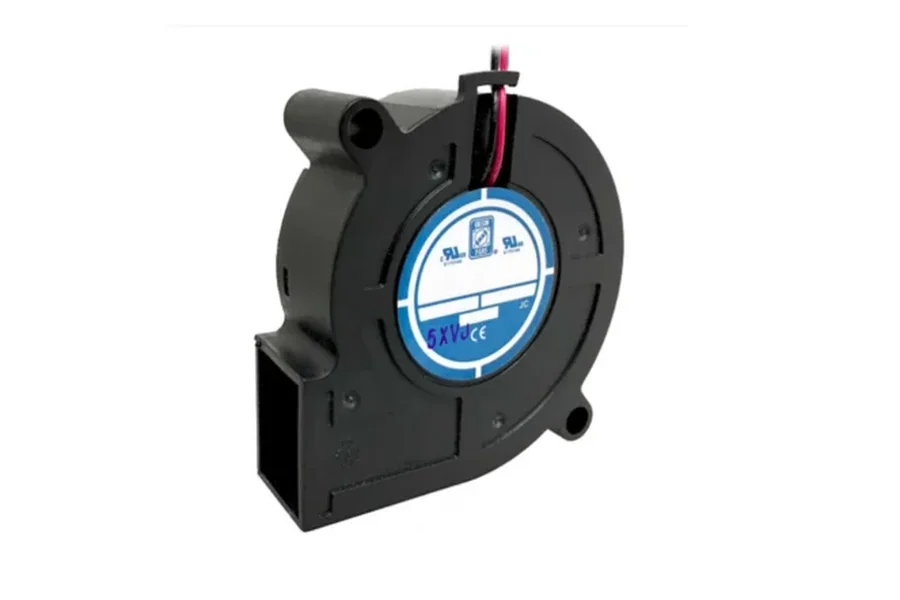
Regular maintenance is integral to ensuring the longevity and efficiency of centrifugal blowers. Key maintenance practices include the following:
Routine Inspections: Regular examinations of the impeller, motor, and housing for wear and tear can prevent unexpected failures.
Cleaning: Removing dust and debris from the blades and casing helps maintain efficiency and prevents overheating.
Lubrication: Ensuring that all moving parts are adequately lubricated reduces friction, enhancing the blower’s service life.
Implementing effective maintenance routines not only prolongs equipment lifespan but also optimises performance efficiencies.
Conclusion
This exploration of centrifugal blowers reveals their critical nature in various industrial settings. As both technology and environmental standards progress, these devices continue to evolve in design and functionality, meeting the dynamic needs of modern markets. Whether adapting to environmental demands or integrating with advanced technological systems, centrifugal blowers remain essential fixtures in industrial landscapes. To explore high-quality blowers that meet specific application needs, consider reviewing options available through dependable suppliers.