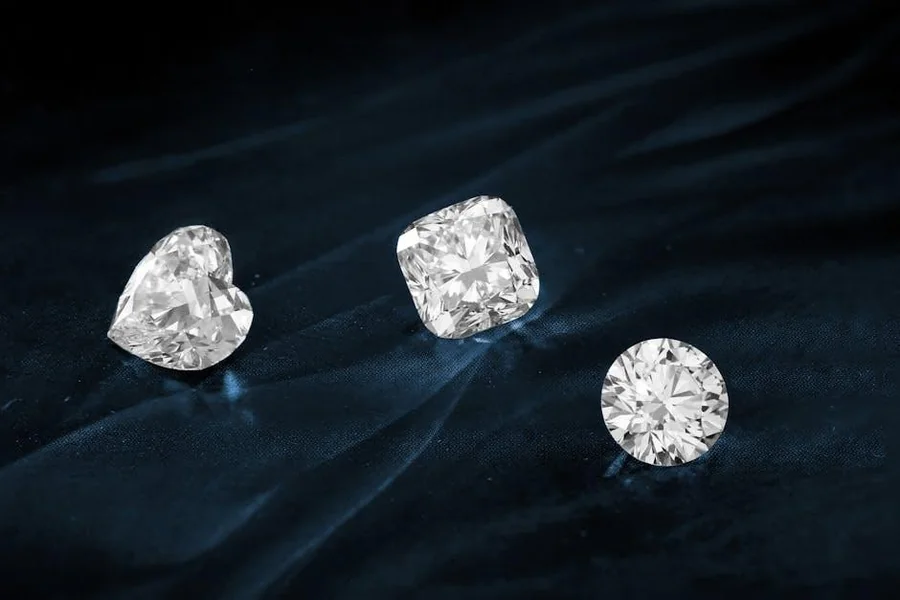
In the jewellery industry, the distinction in pricing between naturally formed diamonds and laboratory-grown diamonds has generated considerable consumer curiosity. An exploration of the lab diamonds vs real diamonds cost reveals a spectrum of factors influencing these variations. While lab-grown diamonds are celebrated for their affordability, natural diamonds maintain their allure due to traditional perceptions of rarity and value.
Understanding Production Processes
The journey of a diamond, whether formed over centuries beneath the Earth’s crust or crafted in a laboratory setting, shapes its cost. Natural diamonds undergo a lengthy formation under extreme pressure and heat, a process mirrored in simulated conditions for lab diamonds, albeit accelerated. This simulation involves significant technology but reduces costs associated with mining and transportation, directly impacting their market prices.
Market Accessibility and Distribution
Lab-grown diamonds enter the market with a distinct cost advantage. Their production in controlled environments allows for a predictable supply, thus stabilising prices. Conversely, natural diamonds are subject to market fluctuations driven by limited geographical mining operations and varying quality grades. The accessibility of lab-grown variants supports a broader consumer market seeking value-driven purchases.
Environmental and Ethical Considerations
Production methods also influence the pricing of diamonds significantly, given the rising consumer consciousness surrounding ethical sourcing and environmental impact. Mining for natural diamonds often involves complex, resource-intensive procedures with substantial ecological footprints. Lab-grown diamonds, which emerge from sustainable practices, incur lower environmental costs and, therefore, a different economic valuation.
Technological Advancements and Their Impact
The progression in diamond synthesis technology has enriched the lab-grown diamond market, enabling the production of stones with clarity and colour on par with high-quality natural diamonds. As technology evolves, the cost associated with lab-grown diamonds could further decrease, driving more competitive pricing structures against their naturally occurring counterparts.
Consumer Perceptions and Value
Consumer attitudes towards diamonds reflect both traditional values and contemporary trends. Natural diamonds have historically epitomised luxury and status, factors that reinforce their higher price points. However, recognition of lab diamonds as genuine alternatives that are chemically and physically indistinct from natural diamonds is growing, potentially shifting consumer preferences based on cost-effectiveness.
Resale Value Dynamics
A critical element in the diamond purchase decision is the resale value, where natural diamonds currently hold a notable edge. The established market for pre-owned natural diamonds secures their investments over time. Lab-grown diamonds, conversely, witness depreciation in resale markets due to perceived abundance, impacting their long-term value proposition.
Industry Regulatory Standards
Regulatory standards governing diamond sales play a significant role in pricing and consumer trust. Both natural and lab-grown diamonds undergo rigorous certification processes to ascertain quality and authenticity. The adoption of uniform grading standards for lab-grown diamonds has been essential in fostering transparency, inadvertently influencing their market valuations relative to natural diamonds.
Cultural and Societal Influences
Cultural and societal influences have historically dictated diamond preferences, impacting their cost structure. The narrative of diamonds as symbols of enduring love and commitment has cemented natural diamonds in social traditions, maintaining their premium status. As the narrative broadens to include ethical and sustainable considerations, lab-grown diamonds are increasingly factored into cultural jewellery choices.
Investment Considerations
From an investment perspective, natural diamonds illustrate a track record of value retention and potential appreciation, explaining their prevalence in high-value portfolio considerations. The predictability of lab-grown diamond production translates to supply-driven pricing, presenting a different economic scenario for potential investors.
Innovations in Diamond Crafting
Innovations in crafting and setting diamonds enhance the price discrepancies between different diamond types. Natural diamonds, with unique inclusions and patterns, often fetch higher premiums due to their distinctive individuality. Meanwhile, the consistency of lab-grown diamonds appeals to buyers seeking uniformity, balancing the distinction in cost through design and craftsmanship.
Retail Strategy and Price Structuring
Diamond retailers adopt varied strategies in marketing and pricing diamonds. Natural diamonds often feature elaborate storytelling with historic and romantic connotations, justifying cost brackets. Lab-grown diamonds are positioned as modern, ethically crafted alternatives, with pricing reflecting their innovative and sustainable origins.
Future Market Trajectories
Predicting market trends involves weighing economic, technological, and societal shifts. Lab-grown diamonds are poised to capture market share through continued advancements in production efficiency and consumer acceptance of their merits. Natural diamonds, though buoyed by legacy appeal, must navigate evolving trade and consumer landscapes to sustain their price positioning.
Conclusion
In conclusion, the cost dynamics of lab-grown and natural diamonds continue to shape consumer preferences and the jewellery market. Lab-grown diamonds offer affordability and sustainability, making them attractive to budget-conscious buyers, while natural diamonds retain their rarity and long-term value appeal. Both options provide unique advantages, allowing consumers to choose based on personal priorities, ethical considerations, and financial capabilities in today’s evolving diamond industry.