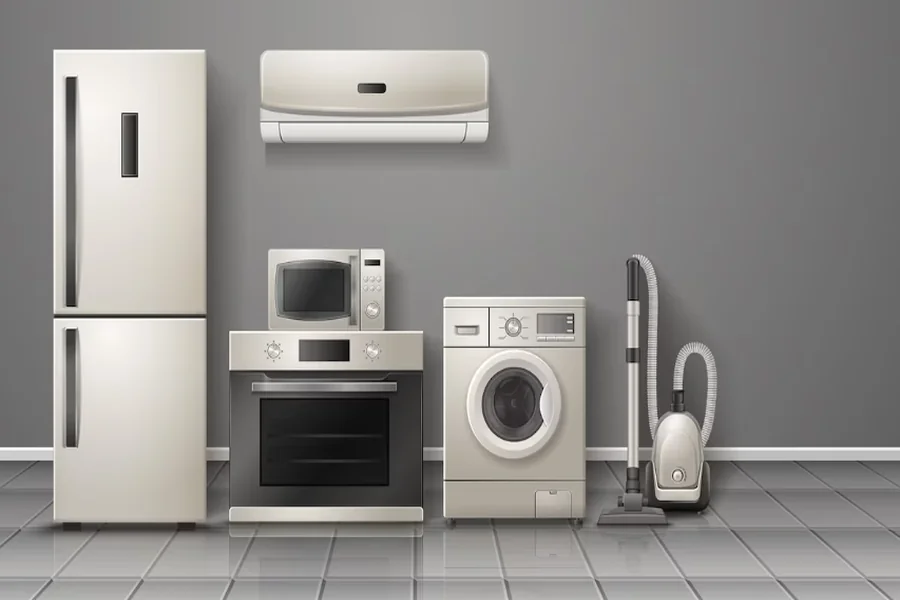
In today’s fast-paced world, the transformation of households through technology is more apparent than ever. The integration of electric home appliances into daily life has drastically shifted domestic dynamics. These appliances bring efficiency, comfort, and innovation to homes, revolutionising the way individuals manage household tasks.
Historical Context of Home Appliances
The era of home appliances began in the late 19th century with the introduction of basic machines such as washing machines and vacuum cleaners. Initially, their use was limited to a section of society due to their cost and availability. However, with technological advancements, these devices became a staple in modern homes. The Industrial Revolution played a critical role by enabling mass production, thereby reducing costs and making appliances more accessible to the general public.
Energy Efficiency in Modern Appliances
One of the most significant advancements in the realm of home appliances is their energy efficiency. Manufacturers have focused on creating devices that consume less energy, contributing not only to lower electricity bills but also to environmental conservation. The implementation of energy star ratings and eco-friendly technologies in appliances, such as refrigerators and air conditioners, has brought forth a new era of sustainable consumption.
Smart Technology Integration
The advent of smart technology has been a game-changer, leading to the development of appliances that can be controlled remotely via smartphones or other devices. Innovations like smart fridges equipped with cameras and washing machines that allow users to schedule cycles from afar have equipped users with the ability to streamline chores effortlessly.
Artificial intelligence and the Internet of Things (IoT) enable these devices to learn from user habits, potentially saving even more time and energy. These smart systems are not only convenient but also adaptable, catering to the evolving needs of consumers.
The Safety Aspect
Incorporating technology into appliances has also enhanced safety features. Modern home appliances often come with child-lock functions, automatic shut-off capabilities, and sensors that detect anomalies. These features are invaluable, providing peace of mind to users who can trust their appliances to operate safely even when not directly supervised.
Varieties of Electric Home Appliances
The plethora of available appliances caters to different functions and preferences. From cooking and cleaning, to entertainment and personal grooming, the spectrum is vast:
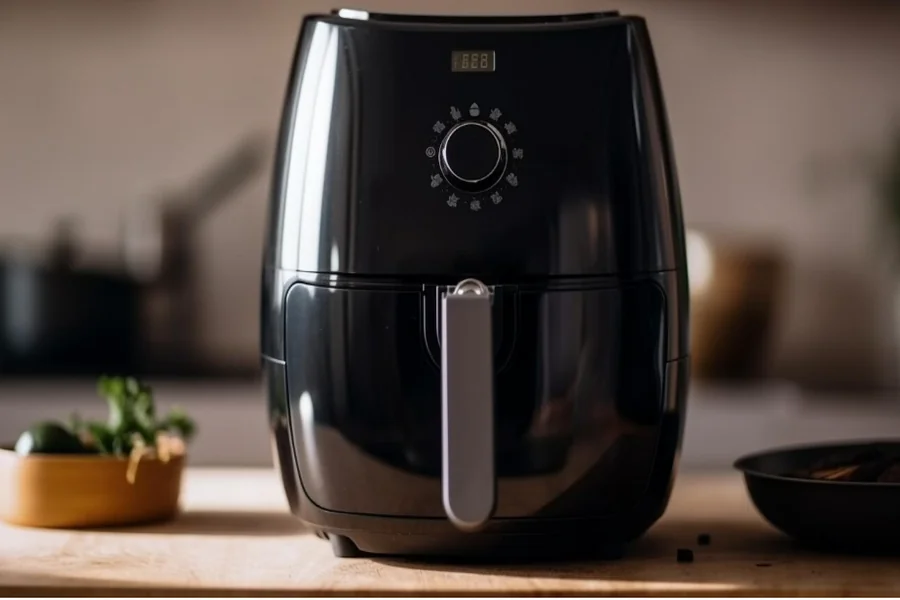
– Kitchen Appliances: The kitchen has seen a tremendous transformation, with devices ranging from basic microwave ovens to advanced induction cooktops and smart refrigerators. These innovations make cooking and food preservation significantly easier and more efficient.
– Cleaning Appliances: Robotic vacuum cleaners and steam mops have revolutionised the cleaning process by allowing users to clean their homes with minimum effort and time.
– Laundry Appliances: Washing machines and dryers, ranging from top-loading to front-loading varieties, continue to evolve with features like steam cleaning and quick-wash cycles that cater to modern, busy lifestyles.
– Entertainment Systems: Additionally, entertainment systems, including smart TVs and advanced audio systems, have enhanced home experiences, bringing cinema-like quality into living rooms.
– Personal Care Devices: Gadgets such as electric toothbrushes, smart mirrors, and hairstyling equipment—powered by cutting-edge technology—contribute to sophisticated personal grooming routines.
Appliance Design and Aesthetics
In addition to functionality, design aesthetics play an essential role in the adoption of electric appliances. Today’s consumers often seek appliances that complement their home décor, seamlessly blending into any interior without compromising performance. This has led manufacturers to innovate with sleek, compact designs in a variety of finishes, making them not only functional but also visually appealing.
Economic Impact
The proliferation of electric home appliances is significant not just for convenience but also for its economic implications. The sector creates numerous jobs, from research and development to manufacturing and retail. Additionally, improvements in appliance efficiency can result in considerable savings on utility expenses for households, freeing up income that can be used elsewhere in the economy.
Challenges and Considerations
Despite the many benefits, the widespread use of electric appliances poses certain challenges. One primary concern is electronic waste, which requires meticulous disposal and recycling processes. Furthermore, the increasing reliance on smart appliances raises issues related to cybersecurity, necessitating robust security measures to protect user data.
Innovations on the Horizon
Looking ahead, the development of appliances leveraging renewable energy sources is a promising avenue. Solar-powered devices and appliances designed to work with home energy storage solutions are no longer ideas of the future but realities being explored today. These innovations are likely to play a pivotal role in further reducing the carbon footprint of homes.
Conclusion
While the journey of electric home appliances is far from complete, the industry continues to evolve at a rapid pace, aligning closely with technological trends and consumer expectations. The next decade promises further integration of digital technologies, pushing the boundaries of efficiency and convenience in everyday life.